Experience incredible bird diversity in the Tucson Mountains—from colorful desert residents to migratory species—across scenic trails, wetlands, and mountain landscapes.
Visit the Most Rewarding Tucson Mountains Birding Hostspots
Tucson’s birding opportunities extend far beyond the most popular locations. Explore additional parks, preserves, and scenic viewpoints where you can spot desert birds, migratory species, and seasonal visitors. Whether you’re a beginner or an experienced birder, there’s always something new to discover.
Sweetwater Wetlands uses reclaimed water and serves as an environmental education facility and habitat for a wide variety of wildlife. It has more than 2.5 miles of pathways accessible to visitors with almost 1,000 feet of trail ADA-approved for wheelchair access. The paths visit several ponds surrounded by cattails, willows, and cottonwoods. It is the most popular Tucson birding hotspots for water fowl.
Species sighted — 304
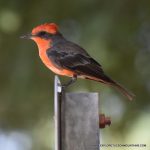
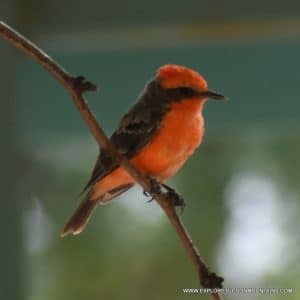
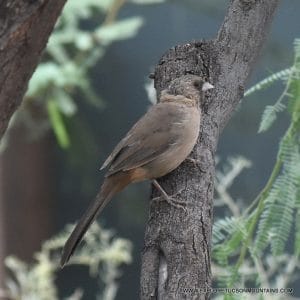
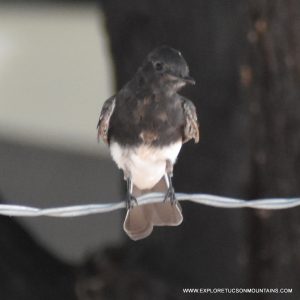
Common Sightings — Red-winged, Yellow-headed, and Brewer’s blackbirds frequent the cattails. Thick stands of saltbush provide cover to Vermilion Flycatchers, Black Phoebes, Song Sparrows, Abert’s Towhees, Wrens, Warblers, and many other species.
Rare sightings — Groove-billed Ani, Least Grebe, Chestnut-sided Warbler, Baltimore Oriole, and many others.
Restrooms —YES
Water Fountains — YES Limited. Bring water.
ADA Accessible — YES
Sweetwater Wetlands 2511 W Sweetwater Dr Tucson, AZ 85745
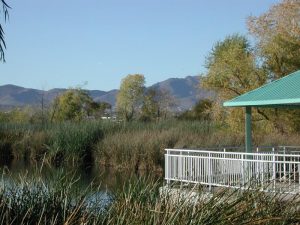
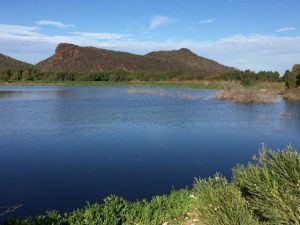
The El Rio Preserve was once a gravel pit and is now a riparian restoration project owned by the Town of Marana. During rainstorms, the gravel pit captures run-off from the Tucson Mountains and overflow from the Santa Cruz River. The water stays for months and has become a popular Tucson birding spot to view waterfowl, shorebirds, and local species.
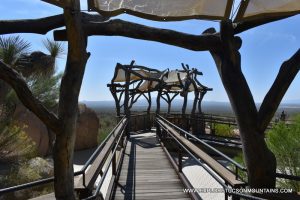
Recent upgrades include a large observation deck for viewing wildlife and bird watching, a trail head with interpretive signage, sitting area with benches, native plants, and water harvesting basins and a pedestrian walking path.
Species Sighted — 241
Common Sightings — Belted Kingfisher, Pied-billed Grebe, White-faced Ibis, Great Blue Heron, several duck species, Black-necked Stilt, and more.
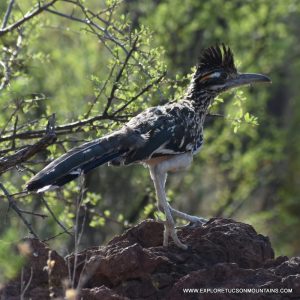
Summer Sightings — Bell’s Vireos nest in the tamarisk. Gilded Flicker, Lazuli Bunting, Gambel’s Quail, Greater Roadrunner, Peregrine Falcon, Black Phoebe, and other species have been sighted.
Restrooms —NO
Water Fountains — NO Bring water.
Friends of El Rio Preserve regularly offer guided birding tours. Visit their Facebook Page for more information.
El Rio Open Space Preserve 10190 N. Coachline Blvd Marana, AZ 85743
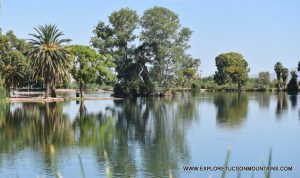
Danny Lopez Park and Silverbell Lake are adjacent to the Santa Cruz River and part of the City of Tucson Park System. The park provides large shade trees, group ramadas, a dog park, playground, model airplane, and model boat area.
A trail circles the lake, which is stocked with a variety of fish and is a popular fishing spot. Giant cottonwoods, eucalyptus, and willows provided habitat for several local and migratory species. It is a popular Tucson birding hotspots for water fowl.
Species Sighted — 226
Common Sightings — Yellow-rumped Warblers, Ruby-crowned Kinglets, Neotropic and Double-rested cormorants, Egrets, Herons, and other species.
Summer Sightings — Cliff Swallows, Purple Martins, Gambels Quail, Verdin, Greater Roadrunner and a variety of Raptors.
Restrooms — YES
Water Fountains —YES
Danny Lopez Park Silverbell Lake 4600 N Silverbell Rd Tucson, AZ 85745
John F. Kennedy Park is a 172-acre park with a 10-acre lake and is part of the City of Tucson Park System. The location provides shade trees, group ramadas, playgrounds, sports fields, and desert walking paths. The lake is stocked with a variety of fish and is a popular fishing spot.
A small hill partially obstructs the view of the lake. The combination of a lake in a desert setting provides a unique habitat for many bird species. It is a popular Tucson birding hotspots for water fowl.
Species Sighted — 207
Common Sightings — large numbers of waterfowl including the Redhead, Grebes, Gulls, Egrets, and others. Vegetation around the lake attracts Bronzed Cowbirds, Yellow-rumped Warblers, Hummingbirds. The lawns and pine trees attract Vermilion Flycatchers, Woodpeckers, and others.
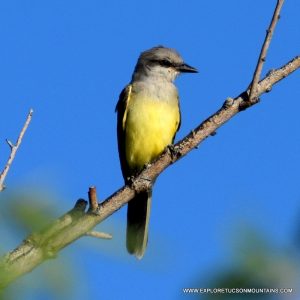
Summer Sightings — Purple Martins, Bell’s Vireo, Brown Crested Fly Catcher, Western Kingbird, Black-chinned Hummingbird, Lesser Nighthawk, and others.
Restrooms —YES
Water Fountains —YES
John F. Kennedy Park 3700 S. Mission Road Tucson AZ 85713
The Arizona-Sonora Desert Museum is unlike any museum you have ever visited. It combines a zoo, aquarium, botanical garden, natural history museum, publisher, and art gallery, all in a single location. Plus, 85% of the attractions are outdoors. Two miles of walking paths connect natural displays of plants and animals native to the Sonoran Desert.
The Raptor Free Flight Presentation occurs in the open desert directly overhead of the spectators. Live animal presentations, docent tours, and demonstrations are scheduled throughout the day.
Bird and Hummingbird Aviaries — Two aviaries allow you to sit directly inside a tranquil and shady setting. The bird aviary has 20 species, and the hummingbird aviary has up to 17 species and is a favorite of photographers.
Species Sighted — 170
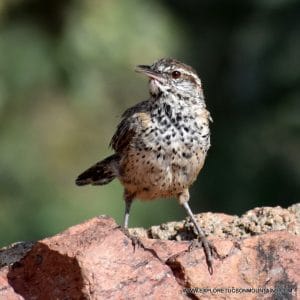
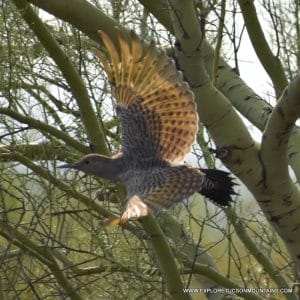
Common Sightings — Gila Woodpecker, Gilded Flicker, Verdin, Black-Tailed Gnat Catcher, Cactus Wren, Curved Bulled Thrasher, Phainopepla, Canyon Towhee, Abert’s Towhee and many others.
Summer Sightings — Brown Crested Fly Catcher, Ash Throated Fly Catcher, Black-Chinned Hummingbird, Black-Headed Grosbeak, Western Tanager, Wilson’s Warbler, Hooded Oriole, Purple Martin, and many others.
Restrooms —YES
Water Fountains —YES
ADA Accessible — YES
AZ-Sonora Desert Museum 2021 N. Kinney Rd. Tucson, AZ 85743
Saguaro National Park – West was created in 1961 by President Kennedy as a National Monument. It was elevated to a National Park by Congress in 1994. The Park has over 60 miles of hiking trails. There is no camping in the Park, and most of the trails are shorter and intersect, making it perfect for day hikes and creating loops.
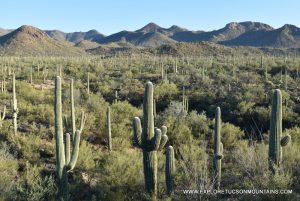
Red Hills Visitor Center — The modern visitor center provides spectacular views of mountains and Saguaros right from its shaded back porch. The center has cultural and natural history exhibits of the Sonoran Desert. You can see a 15-minute program called “Voices of the Desert,” giving a Native American perspective of the Sonoran Desert. There is also a great bookstore run by the Western National Parks Association.
Species Sighted — 170
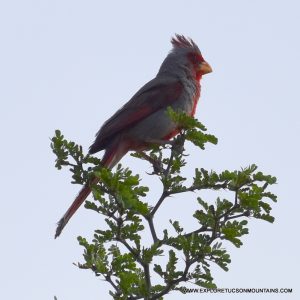
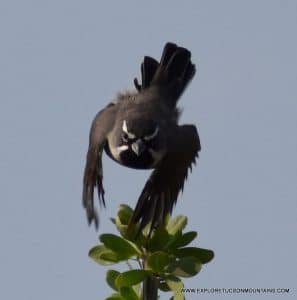
Common Sightings — Rufous-winged Sparrow, Lesser Goldfinch, Costas Hummingbird, Gambel’s Quail, Turkey Vulture, Red-tailed Hawk, Gila Woodpecker, Gilded Flicker, American Kestrel, Verdin, Cactus Wren, Curved Bill Thrasher, Black-Throated Sparrow, Pyrrhuloxia and many others.
Summer Sightings — Lesser Nighthawk, Ash-throated Flycatcher, Brown-crested Flycatcher, Western Kingbird, Purple Martin, Brown-headed Cowbird, Lucy’s Warbler, Northern Cardinal and many others.
Restrooms —YES
Water Fountains —YES
ADA Accessible — YES
Saguaro National Park West Red Hills Visitor Center 2700 N. Kinney Rd. Tucson, AZ 85743
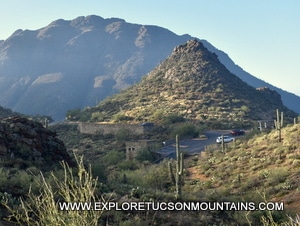
Gates Pass is in the Tucson Mountains Park and nestled at the crest of the mountains offering sweeping views of the Avra Valley to the west and the Santa Cruz Valley with the City of Tucson to the east.
Today the Pass has become a popular observation point for both tourists and locals. Covered viewing platforms, restroom facilities, and short trails to a variety of observation points make it a popular spot, especially for watching sunsets. Tucson was voted one of the best 10 spots in the country to watch a sunset by USA Today, and Gates Pass is the place to go.
Species Sighted — 97
Common Sightings — Gambel’s Quail, Mourning Dove, Red-tailed Hawk, Gila Woodpecker, Gilded Flicker, American Kestrel, Verdin, Black-tailed, Gnat Catcher, Rock Wren, Canyon Wren, Curve-billed Thrasher, House Finch, Black-throated Sparrow, Canyon Towhee and many others.
Summer Sightings — White-winged Dove, Turkey Vulture, Ash-throated Fly Catcher, Brown-crested Fly Catcher, Brown-headed Cowbird, Pyrrhuloxia, and many others.
Restrooms —YES
Water Fountains —NO Bring Water
Tucson Mountain Park Gates Pass Overlook 6400 W. Gates Pass Rd Tucson, AZ 85735
Every visit offers a chance to spot something new—making the Tucson Mountains a true destination for wildlife discovery and unforgettable desert experiences.